Category Archives: Health & Nutrition

Guide to Nutritional Supplements and weight management.

WEIGHT LOSS REPORT

The industry around weight loss is well aware of the fact that low-calorie
diets cause fast loss of muscle and fat.
For this reason, the market is saturated with fiber bars, liquid meals and
light weight cereals.
We live in a society of instant coffee,….. while-you-wait, etc.
Fast results are essential for continuous sales results.

The average consumer is not aware of the fact, that when they are
losing fat, they lose muscle also.
Nutrition scientists have known for many years that reducing calories to
800 – 1200 per day, which is below the essential energy requirement of the
body to maintain vital functions, causes you to cannibalize your own muscles
for fuel. On these diets, muscle provides up to 45% of the energy deficit.
If the deficit in essential energy requirement is 500 calories per day,
then up to 225 calories will come from muscle breakdown.

On only four weeks on such a diet, you can lose 1.5 kg of vital muscle.
In your muscles is all your energy created by burning of fats,
carbohydrates and proteins in the mitochondria of each and every cell.
Even an ounce of muscle lost, lowers basic metabolic rate of fuel
consumption and reduces your ability to burn body fat.
So all diets that are below the essential energy requirement of your
body are a guaranteed recipe for failure.

Besides the fact of losing muscle,which is your body’s engine,
the weight loss industry also know that fast fat loss guaranties regain of fat.
The physiology behind it has been known for decades.
Fast fat loss alerts the potent defenses of the body of its energy reserve.
The quantity and activity of the lipo protein lipase enzyme increases
immediately, which is the body’s main mechanism that collect digested
fat from the bloodstream and stuff it into fat cells.
Lipo protein lipase get hold of every fat molecule and even disable your
body to use it for energy.

In order to make up the deficit, you have to burn more muscle.
However, as muscle is your basic structure, it is harder for your body to
burn it than fat. As a result, your metabolism slows down,which reduces
your ability to burn fat.
Toxic wastes build-up as a result of burning proteins. This can make you
sick and cranky. This activity does not help you to control your appetite,
which becomes more ravenous.

It gets even worse. If you can’t resist the inconvenience any longer and
succumb to real food, the lipo protein lipase has become so efficient,
that you regain seven weeks painful fat loss in almost seven days.
But the biggest problem is that you don’t get any of the lost muscle back.
So the final result of the diet is that there is no change in body fat but
a big loss in muscle.
This loss of part of your engine causes further fat gain as it reduces
your ability to burn the fat you have.

Overweight people using low-calorie diets lose so much muscle that they
set their bodies up for permanent obesity, when they use them repeatedly.
The food industry is constantly creating new ‘functional foods’ that will
help you lose weight, reduce blood pressure and cholesterol, and help you
keep your blood sugar and insulin levels in check and so on and so on.
When did eating become so complicated, and since when could food do all
of these magical things?

Foods designed to help you lose weight are a multi billion dollar industry.
And think of how ironic of an industry that is, how could you possibly eat
something to lose weight? That doesn’t make any sense at all. The act of
eating always adds mass to your body, it couldn’t possibly take it away.
The only way you can lose weight ever, is to eat less calories than you
burn off. Bottom line, there is no arguing this.
This rule existed 1000 years ago, and will exist a 1000 years from now.

There is no possible way you could gain weight if you ate less calories
than you burned off.
No matter how easy you seem to put on weight, and how little food you think
you eat, there is always a lesser amount that will cause you to lose weight.
The actual matter that makes up your fat cells has to come from somewhere,
and that somewhere is your diet. If you eat more food than you burn off
then you will store fat and gain weight. If you eat less food than you
burn off you will lose fat and lose weight. That’s it.

So the list of 7 foods you can eat to lose weight consists of any foods
you would like to see on that list!
You could lose weight eating cheesecake everyday. As long as you ate less
total calories that day than you burned off.
The only weight loss diets that have ever worked or proven to have any effect
always make people eat less total calories. That’s it. Carbohydrate, fat, protein and
sugar don’t make any difference, as long as you eat less. If anyone tells you
otherwise they just haven’t done their research. And I encourage you to challenge
anyone who thinks that any ‘special’ food can actually help you lose weight.
It’s baloney, eating less is the only way.

Think of it this way. If any of the popular diets like low carbohydrate, low fat, high
protein actually worked, would you or anyone else still be looking for another
way to lose weight?

There are three main keys to losing fat and gaining muscle.
If you’re missing any of these you will most likely fail in your attempts
to build a lean muscular body.
So what are they?
1) Eat Less Calories than you burn off
2) Resistance Training
3) Eating enough protein to maintain muscle mass
That’s as short and sweet as I can put it.

Any diet can work as long as it gets you to eat less calories than you burn off.
The key is to find a diet that suits your personality and your lifestyle.
If you’re like me you don’t have time to spend on diet rules and focusing on
good foods and bad foods and what to eat and what not to eat, and meal timing
and all of that.
The diet that will work for you will most likely be the one with the least amount
of rules,or in fact no rules at all but rather just provide a guideline or two.
For me that diet is Eat Stop Eat.
It is the simplest nutrition program I have ever come across.

There is only one guideline, and that is to take a 24 hour break from eating
once or twice per week. That’s it, simple and effective.
This type of eating program might work for you, or it might not.
You just have to try it first. As long as you can find a diet you can stick with for
the long term you’ll be able to lose weight,
the next key it making sure all of that weight comes from fat.

This is where resistance training comes in.
You have to do some form of resistance training in order to maintain and build
muscle mass while you’re losing fat. If you are following an effective diet
without doing resistance training you could end up losing muscle mass along the way.
If this happens you could lose body weight without actually improving the look
or shape of your body.
Your actual body weight doesn’t matter as much as your percentage of fat.
If you can lose 5 pounds of fat, but gain 3 pounds of muscle you will only lose
2 pounds of body weight on the scale, but you’ll look 8 pounds different.
Even though 2 pounds doesn’t sound like much,the difference on your body fat
percentage is the key.

This is why weight training is so important while dieting. Weight training is
the best way to make sure you don’t lose muscle while you diet, this helps with
overall health as well as improving the overall look and shape of your body.
After all when you diet the goal is to show off the lean muscle that is under the fat.
The third key to building muscle while losing fat is protein. You have to eat
just enough protein to make sure your muscles can grow. This is a controversial
topic that many nutrition ‘experts’  still don’t agree on.

But the bottom line is protein is your friend when it comes to building muscle
and especially when you’re dieting.
Mix these three key ingredients together and you’ll have a potent fat loss and
muscle building program that can transform your body in no time.
One of the best ways to loose body fat is to enroll in USANA’s Reset Program.
Please click this link to get it.

How to prevent Cancer

Most cancers grow very slowly, silently eating away at your body,
before they manifest themselves.
In spite of claims by the National Cancer Institute of successful
treatment, after a cancer emerges, medicine is usually powerless.

Every time you are set at ease by statements of the cancer industry,
remember the rapid death of  Jacqueline Kennedy Onassis of
lymphoma and Michael Landon of pancreatic cancer.
If there was an effective treatment anywhere in the world, don’t you
think such enormously rich people would have bought it?

So if a little of the right exercise can prevent cancer, it’s worth more
than all the gold in Fort Knox. And like all other good things in life…..
it’s totally free!

In my article about exercise to lower cholesterol, I referred to the
study of Dr. Kenneth Cooper who followed 13,344 men and women,
for fifteen years. After eliminating interfering factors, incidence of all
forms of cancer was closely correlated with lack of physical fitness.

Unfit men and women had 300% more change to develop cancer.
The fitter the subjects were, over five levels of fitness, the lower
their risk of cancer. But the best finding from this study is that you
have to move only a fraction out of couch potato land to prevent
cancer big time.

“You don’t have to be a marathon runner. A half hour of exercise
four or five days per week can drop cancer risk dramatically,”
according to Dr. Carl Casperson of the Centers For Disease
Control in Atlanta.

There are numerous new studies showing that exercise inhibits
specific cancers. So I will restrict to two prominent examples,
one for women and one for men.

Breast cancer is the most common female cancer and the third
biggest cancer killer in America. More women are developing
and dying from breast cancer today than in the 1960’s, including
all other cancers of the female reproductive organs, like uterine
cancer and ovarian cancer.

Together they make 220,000 victims among the American women
ech year. It will be a winner for every woman if simple exercises
can help prevent such disaster.

In a major study , Dr. Rose Frisch and colleagues at the Harvard
School of Public Health, followed 5000 women college students.
Those who exercised from high school on had many fewer breast
cancers and reproductive system cancers than their inactive
class mates.This evidence is clear. Regular exercise can stop
female cancers cold.

The regulation of estrogen and other sex hormones is the major
mechanism, by which exercise prevents these cancers.
If left unchecked, can cause uncontrolled cell proliferation in the
female reproductive system.

It seems that women who exercise regularly are simply activating
an essential health mechanism in their bodies, designed to be
activated in just that way by the Almighty hand that created all
life on earth.

What about exercise and cancer in males? I like to use examples
of colon and rectal cancers, although these are also a leading
cause of cancer in women. Colo-rectal cancers are the second
leading caner category , with more than 155,000 new cases
every year. Red meats and animal fats are major causes, but
so is inactivity.

A large study measured the exercise levels and the resting heart
rates of 8000 men over 21 years. As I mentioned in my previous
articles, resting heart rate is a good measure of fitness and
provides a good check on reported exercise. The risk of colon
and rectal cancers was directly correlated with heart rate.

An even larger study tracked 17,000 Harvard students for 25 years.
Subjects who were highly active, burning 2500 calories or more
i exercise each week, showed only half the risk of colon cancer
as their inactive fellow students.

The mechanism by which exercise probably prevents colo-rectal
cancers is simple and also part of the human design.
Exercise naturally promotes regular bowel movements and
increases the speed of excretion of food wastes.

As a result it reduces time for carcinogen formation and also
prevents prolonged contact between carcinogens and intestinal
walls. In our constipated society that spends a whopping
$700 million per year on harmful (oops! “gentle, safe and soothing”)
laxatives, this kind of evidence should be a wake up call to exercise.

These studies are just a fraction of the mass of intense research in
respected medical journals, proving that exercise prevents cancer.
But nowhere in any of the public advice hand-outs from the National
Cancer Institute and the American Cancer Society mention exercise
as a means of preventing cancer.

Unlike pharmaceuticals and medical treatment, exercise is free
of course and available to everyone. So it garners no grants,
solicits no ads and makes no obscene profits.

In the American Cancer Society’s professional journal, called CA
for example, a new analyses of risk factors for breast cancer
includes everything. From residence in northern states to social
economic class, except couch potatoism.

Anyone less trusting than I might suspect that geniuses who
populate our health agencies, are either far too brilliant to bother
with lowly scientific research, or they dance to more moving music.
“One-step, two-step, I’ll scratch you-step, if you’ll scratch me-step,
Tee Hee Hee-step.”

Mineral Deficiencies

Conventional medicine often does not recognize the early stages and symptoms of
a mineral or vitamin deficiency. Neither does it understand the havoc created
in our bodies by these deficiencies and the many ways they contribute to the
destruction of our health and the part deficiencies play in both our common
and most serious disease states. Scientists and physicians alike may wait until
a state is fully developed before they take action.

If we are to understand the importance of proper nutrition and  how devastating
deficiencies can be, we must first understand the differences between functional
mineral deficiency disease and organic deficiency diseases.

A functional disease is a condition whereby one or several organs, or groups of
organs, begin to suffer an impairment of function. For instance, the legs might
not function well, the heart may malfunction, vision may be reduced, or one’s
balance may be less stable than it used to be.

On the other hand, an organic disease refers to a definite, specific breakdown
of some kind. For example, a heart arrhythmia would be considered an impairment
of function, or functional disease. A heart attack would be a tissue or organ
breakdown, thus an organic disease. Arthritis, which is a tissue breakdown,
and diabetes, which is an organ failure, are both organic diseases.

The symptoms between the two disease types are different. If a person has
learned to be aware of his or her body, an evident reduction of energy would
be the body’s signal that a mineral deficiency is making it impossible to
operate at peak levels.

The normal sequence of a mineral deficiency is: the less than adequate intake
of minerals, followed by depression and/or loss of energy, insomnia and/or
anxiety, followed by muscle cramps. Any of these symptoms could indicate
a calcium deficiency.

Next, there will be a measurable lowering of minerals in the blood and extra-
cellular fluid. In order to maintain steady levels of minerals in the fluids,
and thus preserve life, the body robs the bones and tissues of minerals.
Since the cells can no longer perform at peak levels, the above symptoms increase.
At this point, tissues themselves become inflamed, deformed or deranged, and
organic disease is the result.

At first, a calcium deficiency might appear as a functional disease; though
depression may be present, the bones have not yet deteriorated to the point of
osteoporosis. Depression or insomnia, since they inhibit the person’s usual
functions to a certain degree, are classified as functional diseases.
If the deficiency is not halted, osteoporosis will develop and would be
considered an organic disease. Similar progressions may develop with other
mineral deficiencies.

Synergy in Vitamin Supplementation

Most people who take Vitamin and mineral supplements self-prescribe to what they think they should take, not even what is fashionable. As well as being a waste of money, this is likely to do more harm than good. Why? Because taking an extra dose of one Vitamin can lower levels of another. Falling short of a particular mineral can prevent the absorption of another, seemingly unrelated one. A dose of an isolated Vitamin or mineral that is too high can produce the same symptoms as a deficiency of another nutrient.

This is what nutritionists call synergy and it explains why taking extra calcium to build stronger bones may backfire on you. Too much calcium in the body can cause a deficiency in iron, zinc, magnesium and phosphorous by preventing their proper absorption. All these minerals are vital for good bone health and their ongoing deficiency can lead to osteoporosis – the condition you were trying to prevent by taking calcium supplements.

Vitamin D, which is also known as the sunshine Vitamin, since the body needs exposure to sunlight to make it, enhances the absorption of calcium, but too much can cause a potassium deficiency. Vitamin A is an antioxidant that is said to help to prevent premature aging. It does help to maintain the surfaces of the body,including the skin, but too much increases the body’s need for another antioxidant, Vitamin E, which protect against heart disease.

Vitamin C remains the most popular of the self-prescribed supplements: an estimated ten million Britons take it every day. Research papers now prove that it has powerful antioxidant properties that protect against cancer and heart disease and show how it boosts the immune system to protect against infections and can even speed up wound healing. Yet not many people know that it works much better in the presence of Vitamin A or that, to use it properly, the body needs calcium. Ask any alternative cancer specialists what nutrients their patients should be eating and they will specify bioflavanoids. Though not a true Vitamin, these are a group of biologically active substances found in plants that are sometimes called Vitamin P.

As well as cancer-fighting properties, they also have an antibacterial effect in the body, where they promote healthy circulation, stimulate bile production for the breakdown of fats and lower blood cholesterol levels. Foods that are rich in flavanoids include apples, beetroot, blackberries, cabbage, carrots, cauliflower, cherries, dandelions, lentils, lettuce, oranges, parsley, plums, peas, potatoes, rhubarb, rose hips,spinach, tomatoes, walnuts and watercress. But what you may not know is that they all work even better when taken with Vitamin C, and vice versa.

Synergistic partners are rarely monogamous. To correct a deficiency in Vitamin A, you also need six additional nutrients: choline, zinc, Vitamin C, D and E, plus the essential fatty acids found in oily fish or evening primrose oil supplements. To restore normal levels of Vitamin C, you need the bioflavanoids, Vitamin A, plus calcium and magnesium. Those last two minerals are so closely linked that if you plan to take a supplement, you need to follow a ratio of 2: 1 in favor of the calcium. So if you are taking 800 mg of calcium, you need to take 400 mg of magnesium, too.

To correct a shortage of calcium in the hope of building stronger bones, you also need magnesium, boron, manganese, phosphorous, Vitamins A, C, D and F, plus essential fatty acids. To complicate the picture further, synergy may not affect the whole body but only specific cells, so the impact of what you are doing may be hidden. Smoking, for example, wipes out Vitamin C in the body, but this deficiency may be confined to the cells of the lungs. As you can see, when taking supplements you have to make sure that the Vitamin and mineral balance in your body is maintained.

More than one-third of kids in England are overweight/obese

Date:
January 29, 2015
Source:
BMJ-British Medical Journal

More than a third of children in England are overweight/obese, finds a 20 year study of electronic health records, published online in Archives of Disease in Childhood.

But the rapid rise in prevalence may be starting to level off — at least in younger children — the findings indicate, although there are no grounds for complacency, warn the researchers.

They scrutinised the anonymised electronic health care records of more than 370,500 children, aged 2 to 15, who had accumulated more than half a million weight (BMI/body mass index) assessments, between them, over a period of 20 years (1993 to 2013).
The researchers wanted to track any changes in the prevalence of overweight and obesity over these two decades.

The children were patients at 375 general practices across England. Their anonymised health data had been entered into the UK Clinical Practice Research Datalink, a large database containing the health records of around 5.5 million patients registered with 680 general practices around the UK.

The analysis showed that between 1994 and 2003 the prevalence of overweight and obesity in all children increased by just over 8% each year. But the rate slowed substantially between 2004 and 2013 to 0.4% a year, suggesting that it may have levelled off, say the researchers.

Trends were similar for both boys and girls, but differed by age group.
Among the boys, the prevalence of overweight/obesity among 2-5 year olds ranged from around one in five (19.5%) in 1995 to one in four (26%) in 2007. Among 6-10 year olds, prevalence ranged from 22.6% in 1994 to 33% in 2011.

The highest figures were seen in 11-15 year olds, among whom the prevalence of overweight/obesity ranged from around one in four (26.7%) in 1996 to almost four out of 10 (37.8%) in 2013.

These patterns were similar among girls. The prevalence ranged from 18.3% in 1995 to 24.4% in 2008 among the youngest, and from 22.5% in 1996 to 32.2% in 2005 among 6-10 year olds.

Once again, the highest rates were among 11-15 year olds, ranging from 28.3% in 1995 to 36.7% in 2004 and 2012.

Overall, the increase in rates of overweight/obesity was significant for all age groups in the first decade of the study, but it was only significant in the second decade for 11-15 year olds.
Rates among this age group continued to rise in the second decade, albeit more slowly than in the first.

“There are several possible theories for the recent stabilisation of childhood overweight and obesity rates,” write the researchers. “One explanation may be that rates have reached a point of saturation.” Alternatively, public health campaigns may actually be starting to work, they say.

In a linked editorial, Professor Julian Hamilton-Shield and Dr Debbie Sharpe, of the University of Bristol, point out that the implications for such levels of teen obesity are “profound” in terms of current and future health.
They go on to say that many of the techniques used by local authorities in England, who have assumed responsibility for obesity as part of their public health remit, are not based on strong evidence, and there is little in the way of outcomes data to determine how successful they are.

Furthermore, many parents and clinicians remain to be convinced that childhood obesity is a serious enough health concern, they say, suggesting that it may be time to revisit the idea of implementing a ‘fat tax.’

“Thus far, we simply do not seem to have the tools to manage this problem effectively,” write the editorialists. “The childhood obesity crisis in England is far from over, and our current weapons in the war against fat seem unlikely to provide the answer.”
They add: “The recent call to the chief medical officer to develop a ‘child obesity action group’ may prove a first step in what is likely to be a very long campaign.”

The above story is based on materials provided by BMJ-British Medical Journal.

Health & Nutrition 4 by Nutrobalance

??NUTROBALANCE????????????????????????????????????????????????????????????????????????????????????????????????????  4th Edition

MORE THAN ONE-THIRD OF KIDS IN ENGLAND ARE OVERWEIGHT/OBESE

Summary:
More than one-third of kids in England are overweight/obese, researchers report, however there does seem to be some evidence that rates may be leveling off in younger children.
Read it all..

NATURAL NUTRITION
Enzymes are the biological catalysts that trigger off millions of chemical
changes that occur in the human body, every second of our lives.
However, cooking destroys enzymes in all vegetable and animal food,
starting with a temperature of 48 degrees for more than half an hour.
Read it all…

DAILY NUTRIENT REQUIREMENTS CALCULATOR
The  Australian Government has issued a nutrient requirements calculator.
To see what your dietary pattern might look like you can try out the
Average Recommended Number of Serves Calculator.

You can also look at the Australian Guidelines, Food Essentials and Eating Well.
Click this link to get it.

OLYMPUS DIGITAL CAMERA
” If you have arthritis, you need to read this book. Dr.Mark Wiley is  a learned healer
with a mind for the truth about pain and how to relieve it.
He is not concerned with dogma, only results. And results you will get in short time
from his arthritis relieve action plan.” Alan Orr, Acupuncturist and Bodywork Therapist

More Health & Nutrition from Nutrobalance
Synergy in vitamin supplementation

How to prevent Cancer
Mineral Deficiencies


Natural Nutrition

Enzymes are the biological catalysts that trigger off millions of chemical
changes that occur in the human body, every second of our lives.
However, cooking destroys enzymes in all vegetable and animal food,
starting with a temperature of 48 degrees for more than half an hour.

The food enzymes assist our own digestive enzymes, easing the load
on the organs that produce our enzymes, particularly the pancreas.
Eating cooked food enlarge the pancreas due to overwork.
The enzyme content of organically grown food, allowed to ripen naturally,
is much higher than from conventionally grown foods.

When raw-food enzymes reach the bowel, the friendly gut bacteria are
binding any oxygen that is present, thus eliminating the aerobic conditions
in which harmful bacteria grow and causing putrefaction, toxaemia and
ultimately  degenerative diseases, including cancer.

When the harmful bacteria are gone, the beneficial bacteria like
acidophilus and bifido bacteria can flourish and carry out their vital
functions, including the manufacture of B vitamins, digestion of fiber
and production of natural ‘antibiotics’ against pathogenic bacteria.

When our diet is based on meat, the dominant gut bacteria are
putefactive and toxins, such as ammonium compounds are produced.
These toxins irritate the bowel wall, setting the stage for cancer.
When they enter the bloodstream, they add significantly to the total
body load of toxins, which leads to toxaemia.
Also, the natural synthesis of vitamin B12 in the gut is inhibited and we
can become dependent on B12 from animal sources.

Animal fat deposits on the gut wall may interfere with the digestion and
absorption of calcium and other water-soluble minerals.
WE will be better of getting our nutrients from fresh vegetables & fruits,
nuts and seeds. There is little doubt that our bodies are designed for
diets that are basically vegetarian.

There are many advantages for people on a vegetarian diet.
According to statistics, people on a vegetarian diet are healthier and
live longer than meat eating people. They also have 40% less change
of dying from cancer and reduce the incidence of breast cancer by 80%,
according to the British Medical Journal.

Strategies for High Energy Living

Natural ways to boost your energy at work – stimulant free!

Did you know that eating three square meals a day, without snacking,
can be detrimental to your energy levels?
When we eat, our bodies release insulin, which helps us to shuttle
the body’s primary energy source, glucose, into cells.
Glucose is a simple sugar and is used to fuel our brain, our muscles and
the rest of our organs.
By eating a meal, our blood glucose level (BCI) rises slightly and we begin to
receive energy from the foods we have eaten.
Naturally, different foods will affect our BCI. in different ways.
when you only eat three meals a day your energy levels will rise after each meal
and then proceed to crash 3-4 hours later, depending o what you eat.
If you eat small meals every 2-3 hours, however, you will have much more
predictable and stable blood glucose levels.

Eat Protein
Including a portion of lean protein in every meal will not only create greater
feeling of fullness and satisfaction, but it will also stabilize your blood sugar levels.
Some good examples of lean protein are chicken breast, turkey breast, lean beef steak
lean cuts of pork, tuna, and low fat cottage cheese.

Drink plenty of water.
Water is one of the most undervalued resources you have in your energy arsenal.
Did you know that being slightly dehydrated  can cause your brain to temporarily
shrink, and therefore cause a reduction in mental focus?

The good news is that your brain can quickly return to its full size once you re-introduce
more water to your day. The Government recommends we drink at least 8 glasses
of water  per day. But when you drink a glass of water when you wake up, 600 ml water
bottles that you can sip during the day, and another glass of water before going to bed,
you’ll have already beaten the government’s recommendation.

A word of advice, though: don’t drink water  with your  meals. whe you drink fluids
with meals, you dilute your stomach acid, which makes it harder for your body’s
enzymes to break down your food, and this could make you even more tired.
Eat real or ‘living foods’ rather than ‘dead’ or processed foods
Processed foods have a draining effect on your digestive system and energy levels.
By  eating more ‘living foods’ (e.g. raw fruits, veggies and nuts) and reducing your
intake of ‘dead’ foods (e.g. burgers,fries, pastries, lollies and chocolates) your
energy levels will increase dramatically.

Take a multivitamin with high levels of B Vitamins
Most people do not meet their body’s needs for vitamins and minerals on a
daily basis. Even a slight deficiency in one key vitamin or mineral will not only
increase your changes of getting sick but it may also leave you feeling tired and
rundown. Always look for a high quality multivitamin that contains high levels
of all the major B Vitamins, as these are important vitamins for a high energy
active lifestyle.


Health & Nutrition 3 by Nutrobalance

??NUTROBALANCE????????????????????????????????????????????????????????????????????????????????????????????????????

The Truth about Vitamins

For the truth about vitamins, look to experts whose status and salary does not depend on
continuing disease. The evidence has now convinced thousands of the leading scientists in America. And, despite of the risks to their university careers and federal research grants, those with enough guts and integrity are saying so in the public media.
Read it all….

Strategies for High Energy Living

Natural ways to boost your energy at work – stimulant free!
Read it all..

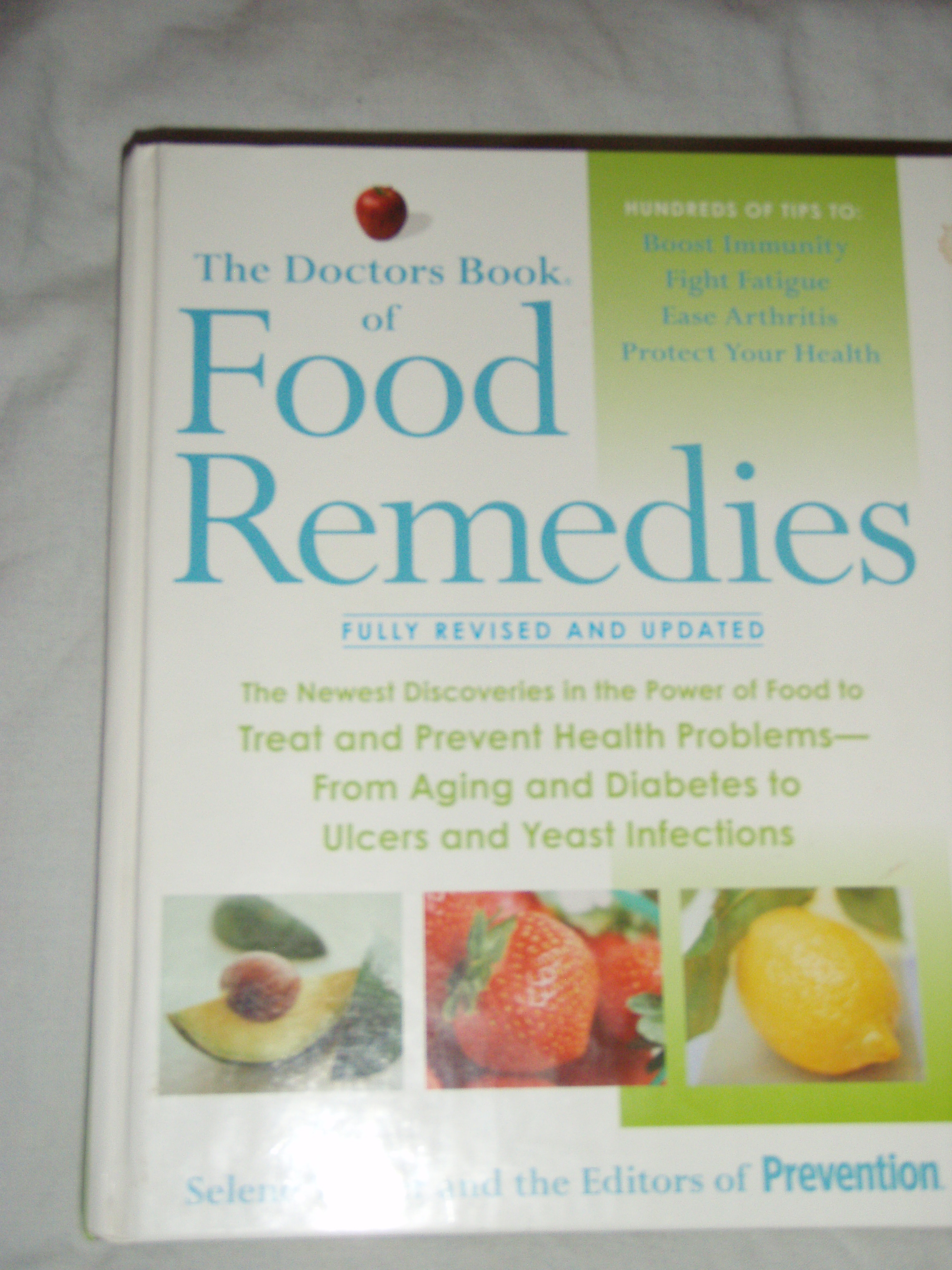
The Doctors Book of FOOD REMEDIES

  • OLYMPUS DIGITAL CAMERA

HUNDREDS OF TIPS TO:
Boost Immunity,
Fight Fatigue,
Ease Arthritis
Protect our Health
Visit: www.rodalestore.com

More Health & Nutrition from Nutrobalance
How our body wears out
Exercise is the key to prevention
How to Exercise

Exercise is the Key to Prevention

Oxidation is the primary cause of aging & degeneration.It is the most penetrating
process of decay on Earth.

Steel rusts,paint flakes,a cut apple get brown and meat rots. These are all examples
of oxidation. Oxidation is caused by free radicals, unstable oxygen atoms, that causes
the damage. Most damage to our bodies is also caused by oxidation, which is free
radical attack. Ultra-violet light ages and decays our eyes & skin and air pollutants
damage our lungs by oxidation.

Many man-made drugs and chemicals tear your cells apart by oxidation.
The main mechanism underlying cardiovascular disease and many cancers is
oxidation.

But don’t despair, you can beat oxidation. The new nutrition science can afford
you lifelong protection.

The second cause of aging & degeneration is gravity. To combat gravity,you have
to protect your skeleton and the muscles that hold it up.
The human body is designed to be constantly active.Rest rusts.

Under the usual medical treatment, a broken leg put in a cast, loses most of its muscle.
A third of its bone mass and stiffens almost to immobility.
Confined to bed, the conventional solution to many illness, is an example of the worst
kind of treatment.In six months bed rest, you accelerate bone aging by a decade,
losing 25-40% of your bone mass, much of it irreversible.

The majority of skeletons and muscular systems of Mr. & Mrs. America degenerate
prematurely, because of our sedentary lifestyle. Many of the degenerative changes,
usually attributed to unavoidable aging, are caused by lack of exercise.

Inactivity causes a chain reaction of cardiovascular decay. Firstly, it reduces vital
capacity, that means the ability to take up and use oxygen and muscles, organs
and brain become partially oxygen deprived.

Secondly, inactivity reduces your ability of your heart to pump blood around
the body. Your tissues get less oxygen and the essential nutrients from your blood.

As your body tries to make up these deficits, it causes your blood pressure to rise
and contracts your arteries, increasing the risk of clots and stroke from a weakened
heart. As a result, sedentary people often suffer dizziness, because the impaired
system can’t instantly increase blood flow to the brain and they are more likely
to have falls and accidents.Surveys show that more sedentary people are killed
in traffic accidents.

Inactivity also increases your cholesterol – and triglycerides levels.
Inactive muscles shrink, compromising your ability to burn fat, to run upstairs
and even to hold up your skeleton. Bones also thin and weaken.
In order to grow new bone matrix, your skeleton requires continuous resistance
exercise.

The combination of inactivity and pour bone nutrition is the major cause of the
epidemic of osteoporosis, which is another man-made and totally
preventable disease.

Inactivity also disrupts bowel function and disorders glucose metabolism,
no matter what kind of food you eat.

Sex hormone levels also decline with inactivity. Male impotence has doubled
in America since the 1940’s.

Dr. Kenneth Cooper and his staff at the Aerobics Center in Dallas followed
13,344 men & women for fifteen years. This particular painstaking research,
taking into account factors like age, family history, personal  health history,
smoking, blood pressure, cardiovascular condition and insulin metabolism.

After fifteen years of closely monitoring these people, reduced risk of death
was closely correlated with physical fitness.
This included deaths from cardiovascular diseases, a variety of cancers
and even accidents.

Without any doubt, exercise can save your life, while couch potatoism
creates a nasty, sick and short existence.
If there are still people who find it hart to believe that exercise directly
prevents disease, the following strong points of evidence will convince
those who are doubting.

Research proofs that exercise protects your body by maintaining vital
capacity and as a result supplying adequate oxygen to the tissues.
The average sedentary American male aged 45 has lost half his ability
to take up and use oxygen. He can restore it to the level of a 25 year old
with the right exercise.

Dr. Bortz correctly stated that the health benefits of restoring vital capacity
are superior to any drugs or medical treatment.
As a result of exercise, your resting heart beat can slow down to in the 40’s.
This underlines the statement of Indian yogis that your life span is
determined by your total number of heart beats.
The risk of coronary heart disease more than doubles if the heart rate
gets above 84.

People with a blood pressure 120/80 are taken as normal, which in fact
is not normal,only usual.These people are already half way to disease.

The risk of cardiovascular disease starts to rise as systolic blood pressure
goes above 103 mmHg. By 135 mmHg, a  level that is regarded by many
physicians as marginal but still acceptable, the risk has doubled.
Beyond 135 mmHg you are a walking time bomb.

This is also true for diastolic blood pressure.Recent research shows that
levels of 80-89mmHg, usually found in average people, indicate a
pre-disease state. Diastolic pressures of 80-89mmHg show an incidence
of 40 cases per 1000, a 300% increase in risk of disease.

It’s easy to reduce blood pressure, with the right exercise, below the
120/80 mmHg. Many research show that exercise works for older people
as well. A group of people aged between 50 & 78, with sedentary
hypertension and elevated blood pressure, dropped their systolic blood
pressure by a whopping 20 mmHg after taking part in an exercise program.
Regular exercise will lower blood pressure in almost anyone.